
Dashi-wari — hot sake mixed with oden broth
Oden — A Winter Dish in Japan
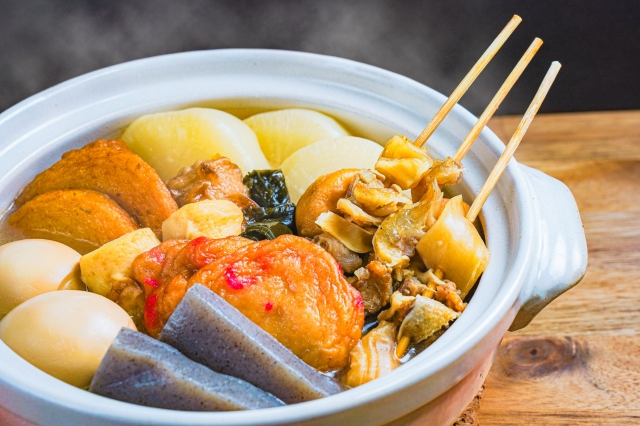
Oden is a simple Japanese winter dish made by slowly simmering ingredients in a light broth.
Common ingredients include daikon radish, eggs, and fish cakes, but what defines oden is not the ingredients themselves — it is the broth and the time spent letting everything rest together.
In Japan, oden is often eaten on cold nights.
It is not a dish meant to impress, but one meant to warm the body and quiet the mind.
The steam rising from the pot, the gentle aroma of dashi, and the slow pace of eating all create a moment that feels especially suited to winter.
This kind of food naturally invites warm sake — not as a pairing to be judged, but as something to share the same warmth.
Oden and Warm Sake on a Cold Night
During the cold winter months, meals in Japan often center around hot pot dishes to warm the body.
On nights like this, I naturally found myself wanting to enjoy freshly simmered oden with a cup of warm sake.
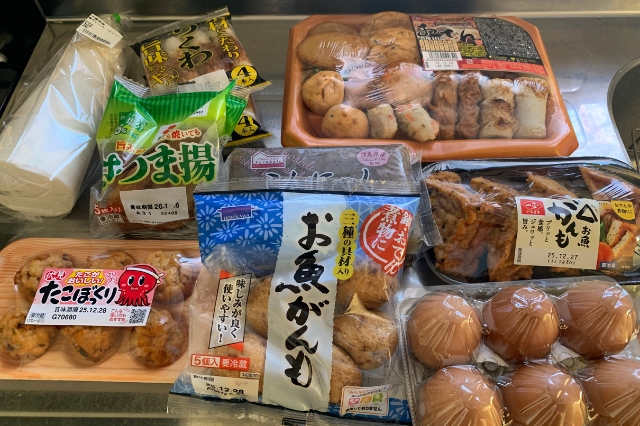
Since this was a meal to be shared with my family, I bought a generous amount of oden ingredients.
They were all classic choices: eggs, daikon radish, konjac, satsuma-age, ganmodoki, chikuwa, and assorted vegetable fish cakes.
All of these ingredients are commonly available at Japanese supermarkets.
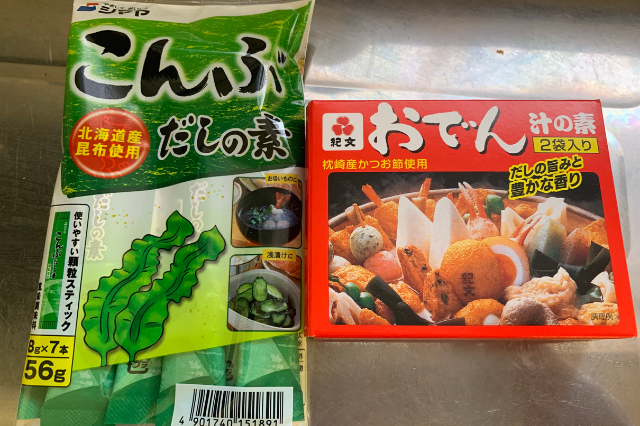
These are bonito and kombu dashi, both commonly available at Japanese supermarkets.
The one on the right is a bonito-based dashi specifically prepared for oden.
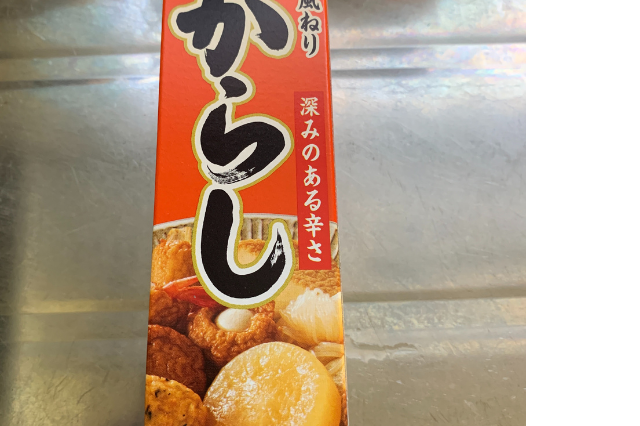
And when it comes to eating oden, kneaded mustard is essential.
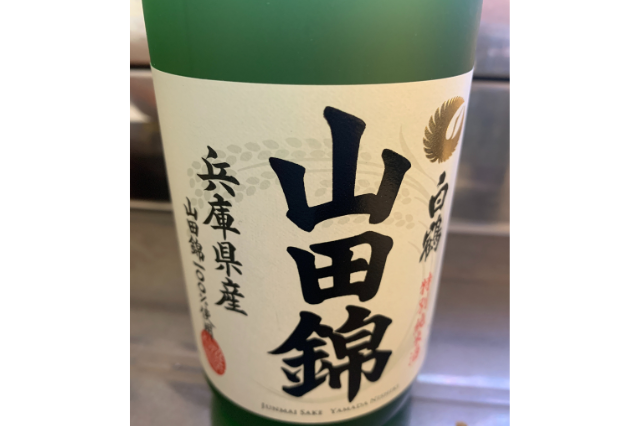
To enjoy the oden, I chose a sake called ”山田錦” ”Yamada Nishiki”, a product of Hyogo Prefecture in Japan.
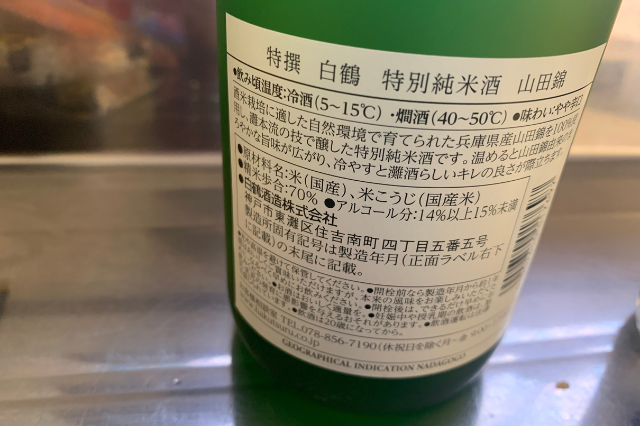
This sake has a slightly dry profile and can be enjoyed both as chilled sake and when gently warmed to about 40 – 50℃.
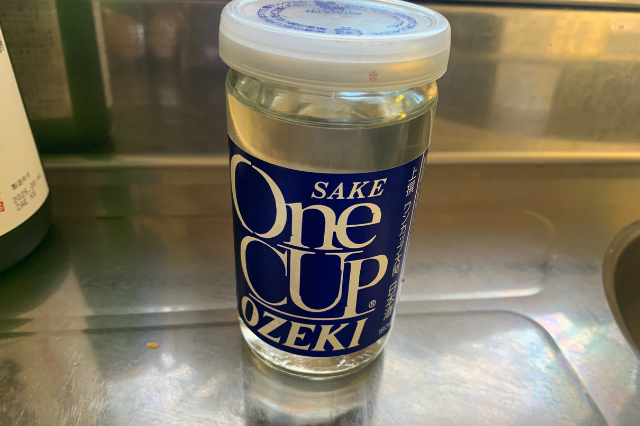
I also picked up a cup of “One Cup Ozeki".
Rather than for drinking on its own, it was chosen mainly as a convenient glass for making “dashi-wari".
Oden Prepared with Bonito and Kombu Broth
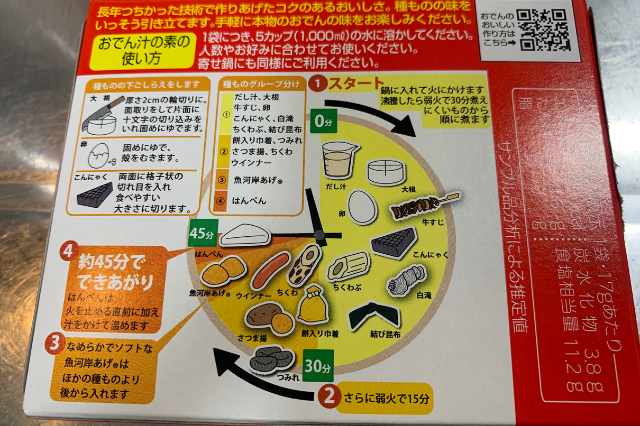
I then moved on to preparing the oden, using both bonito and kombu broth.
Since simple instructions were printed on the back of the bonito dashi package, I started by following those steps for the initial preparation.
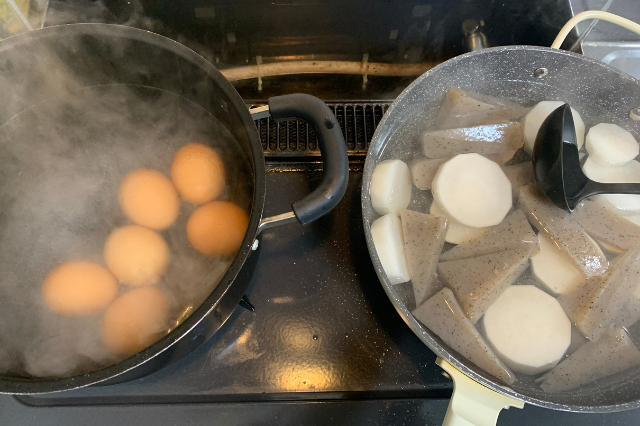
As a first step, I began by boiling daikon radish and konjac, which require more time to soften, and at the same time cooked the eggs.
As we were sharing the meal as a family of four, I prepared two pots of oden.
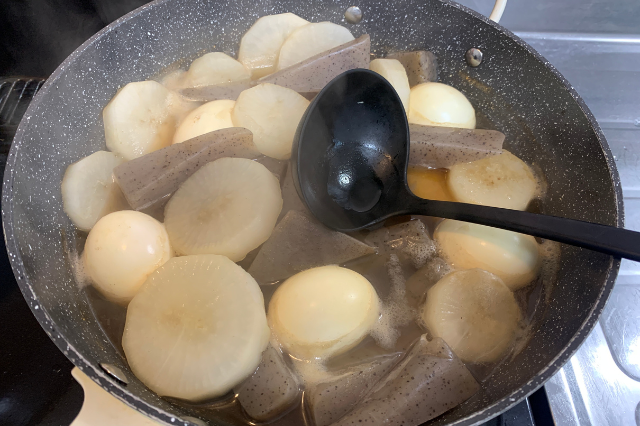
After around ten minutes, the eggs were ready.
I peeled them and added them back to the pot with the daikon and konjac.
Since the daikon was still quite firm, I tested its softness occasionally by piercing it with a fork.
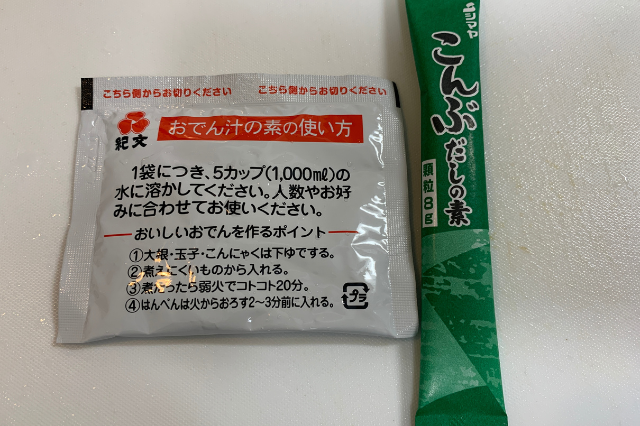
Once the pot had come to a steady boil, I added the bonito and kombu broth.
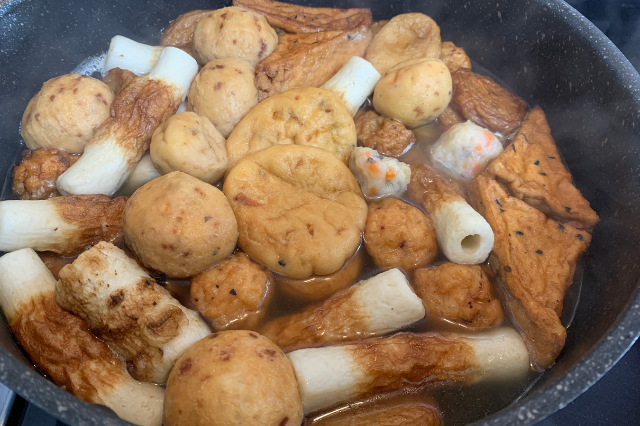
In the second pot, I simmered ingredients that cook more quickly, including chikuwa, ganmodoki, and satsuma-age.
With two pots in use, I adjusted the balance of the broth — the right pot with a stronger bonito flavor, and the left with more kombu — to highlight the contrast between the two.
”Dashi-wari” — Sake Mixed with Oden Broth
When enjoying oden with sake, ”dashi-wari” is well worth trying.
The aroma of the broth and its deep, savory flavor gently bring out the umami of the sake.
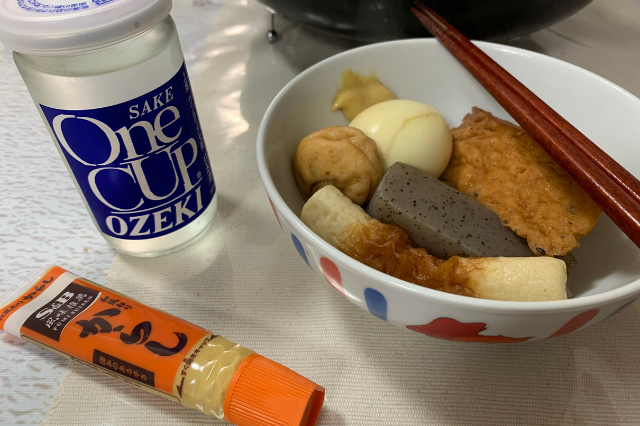
When the oden was finished, I plated it and served it with mustard (“Karashi").
I started with “One Cup Ozeki“, and it reminded me how naturally oden and sake belong together.
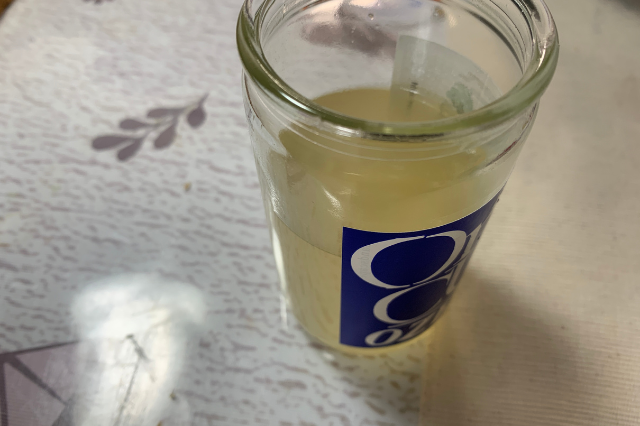
Now it was finally time to taste the main focus of this evening — ”dashi-wari”.
After drinking about half of the ”One Cup Ozeki”, I warmed the remaining sake directly in the bottle using a microwave oven (about one minute at 600 watts). I then added either the bonito or kombu oden broth.
As shown in the photos, the drink appears quite cloudy, but the flavor is exceptional.
Unlike drinking sake on its own, the umami from the bonito and kombu broth deepens the sake’s flavor and gives it a round, mellow character.
Taking the time to prepare two separate pots — one with stronger bonito notes and the other with more kombu — was well worth it. Experiencing the difference in broth through sake like this feels like a rare and quiet luxury!!
Sake Is Enjoyable Both Cold and Warm
This sake still has more stories to tell.
Next, I enjoy ”Yamada Nishiki”, a well-known sake from Hyogo, first chilled and then gently warmed.
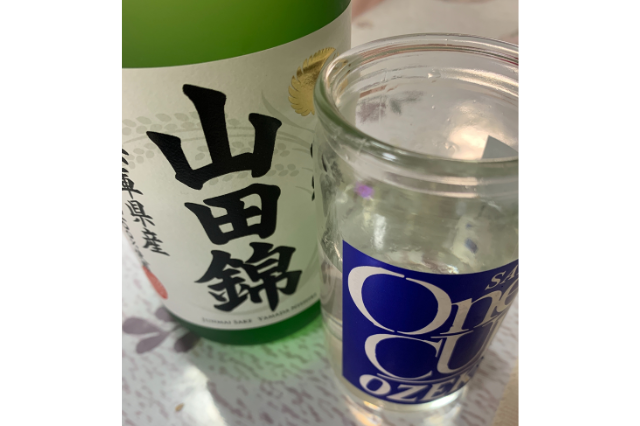
I begin by tasting Yamada Nishiki at room temperature alongside the oden.
Unlike dashi-wari, this brings out the sake’s naturally dry profile.
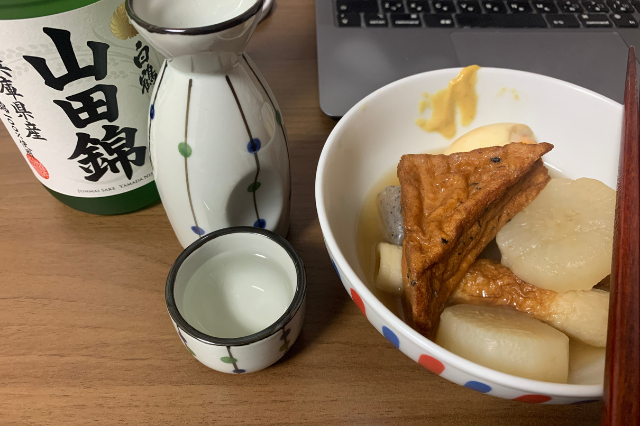
Finally, I poured Yamada Nishiki into a tokkuri and warmed it in the microwave, enjoying it as hot sake.
Because of its dry character, heating it brings out a sharper aroma that rises with the steam, reaching the nose more directly.
This is the most noticeable difference compared to drinking it at room temperature.
When enjoyed warm, Yamada Nishiki reveals another side of its character, making it well worth trying this way as well.
That evening was not about finding the best combination.
It was about noticing how the same sake changed with heat, how different broths shaped its character, and how quietly a winter night unfolded around the table.
Oden simmered slowly.
Sake warmed gently.
Conversations faded into steam.
Nothing special was planned, and yet the moment stayed.
Every sake creates a different story.
This was one of them.