
A Quiet Evening with Chikuzen-ni and Dry Sake
Preparing Chikuzen-ni, Step by Step
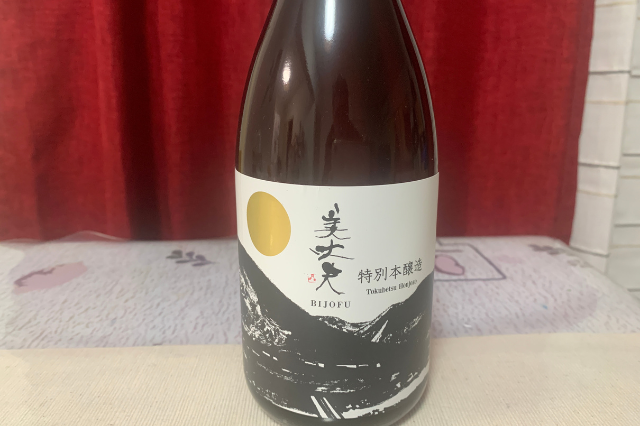
Tonight’s sake comes from Kochi Prefecture — a dry sake called Bijōfu.
The last sake I enjoyed, Suigei, also from Kochi, was dry as well.
Yet Bijōfu carries a slightly different character, offering a distinct expression of dryness.
By the way, Bijōfu refers to a fine, handsome man — someone not only well-featured in appearance, but also dignified in presence.
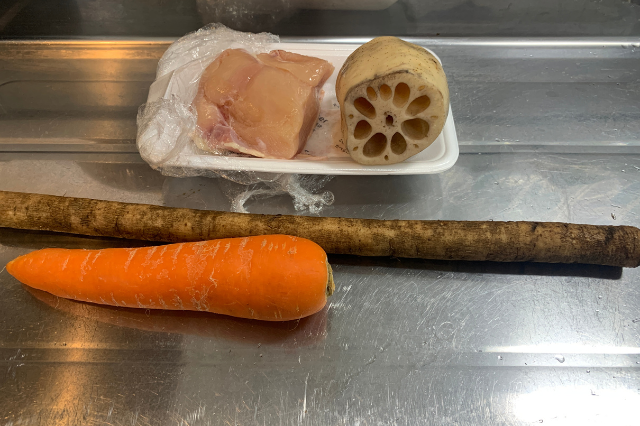
Tonight’s dish is Chikuzen-ni.
A traditional Japanese simmered dish, it is a form of home cooking that brings together meat and vegetables in a well-balanced way.
First, I prepare the ingredients.
Depending on the region or the season, the ingredients may vary slightly, but this time I chose chicken breast, lotus root, burdock root, and carrots.
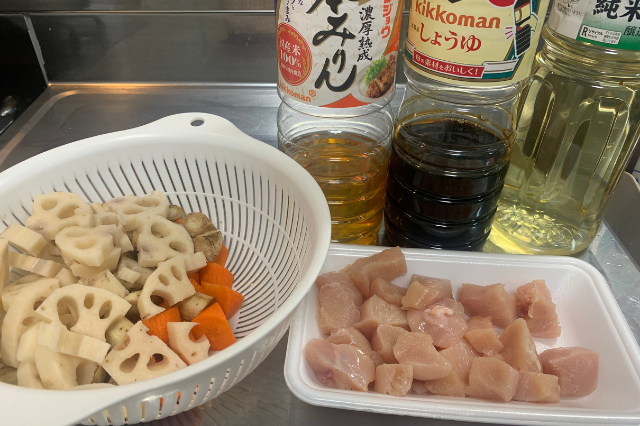
First, the meat and vegetables are cut into bite-sized pieces.
For seasoning the simmering broth, I prepared soy sauce, mirin, and cooking sake — three seasonings that form the foundation of Japanese cuisine.
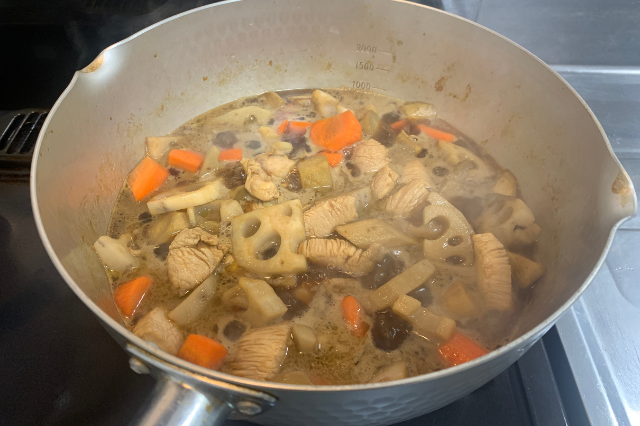
Oil is heated in a pot, and the chopped meat and vegetables are added, then slowly sautéed.
Once they are cooked through, soy sauce, mirin, and cooking sake are added, and the mixture is left to simmer.
A small amount of water is added to keep the flavors in balance.
Care is needed here — too much soy sauce can easily make the dish overly salty.
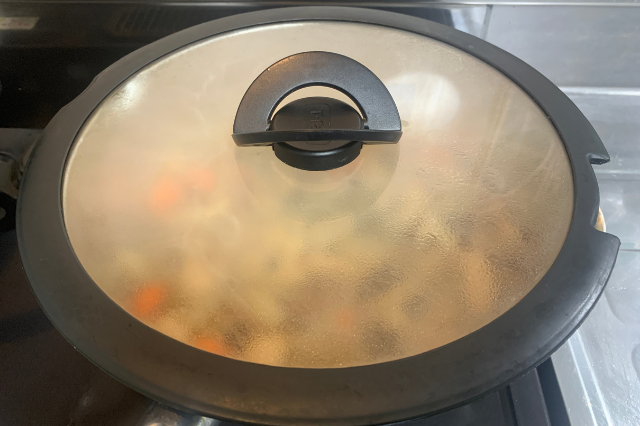
With the lid on, the dish is left to simmer over low heat for about 15 to 20 minutes.
During this time, I prepare the sake and set the table for an evening drink.
The anticipation quietly builds as the dish nears completion.
When Sake Meets Chikuzen-ni
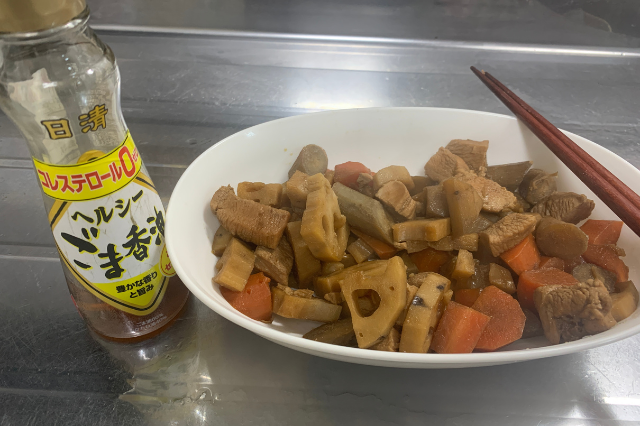
The Chikuzen-ni is finally finished.
Perhaps I added a little too much soy sauce — the color turned out darker than expected — but the flavor is just right.
And then comes the final touch: sesame oil.
Drizzled over the finished dish, it deepens the richness of the flavor, and its aroma fully awakens the appetite.
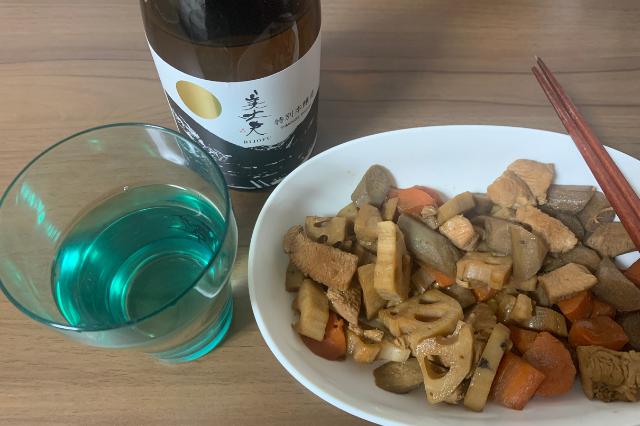
With a glass of Bijōfu poured, I begin to enjoy the Chikuzen-ni.
The well-simmered meat and vegetables are tender, their flavors enriched by the sesame oil, making each bite deeply satisfying and encouraging another sip of sake.
As Bijōfu is poured into the glass, its amber hue catches the light.
Compared to the dry Suigei I enjoyed the other day, this sake offers a slightly different expression — still dry, yet smoother and easier to drink, leaving a particularly pleasant impression.
In moments like this, I’m reminded that sake is not about extravagance, but about how quietly it settles into an ordinary evening.